

Soaps
Soaps
Table of contents
Introduction: Which soap is right for you?
Classics for skin & household: solid, pure, versatile
Gentle care in everyday life: fragrance, refatting and skin feeling
Use special soaps specifically: problem areas, hair & beard
Solid vs. liquid soap: hygiene, comfort and sustainability
FAQ
Introduction: Which soap is right for you?
Soap has long been more than just “something to wash”. Depending on how it is made and what fats or additives are contained, it can feel completely different, foam differently and even perform different tasks – from daily hand hygiene to thorough cleaning in the home. That is why it is worthwhile not to simply blindly resort to the first variant. Those who often have dry hands usually want a milder, nurturing soap that does not stretch after washing. If, on the other hand, you want to remove heavy soiling or treat stubborn stains, you need a strong, very cleansing recipe. In addition, there are scent preferences, intolerances and the very practical place of use: shower, sink, kitchen or workshop. The shape also plays a role: Solid pieces are popular because they are economical and often make do with less packaging. Liquid soaps score with comfort, fast dosage and are very practical especially in households with several people. It is also important to have realistic expectations: a soap can clean and care for – but “the one perfect soap” for all situations is rare. A small range makes more sense: a mild soap for everyday use, a stronger one for special cases and perhaps a special soap for shaving, hair washing or delicate areas. This is precisely where a clear overview of soap types, their properties and typical areas of use helps to find the variant that really suits you and your everyday life faster.
Classics for skin & household: solid, pure, versatile
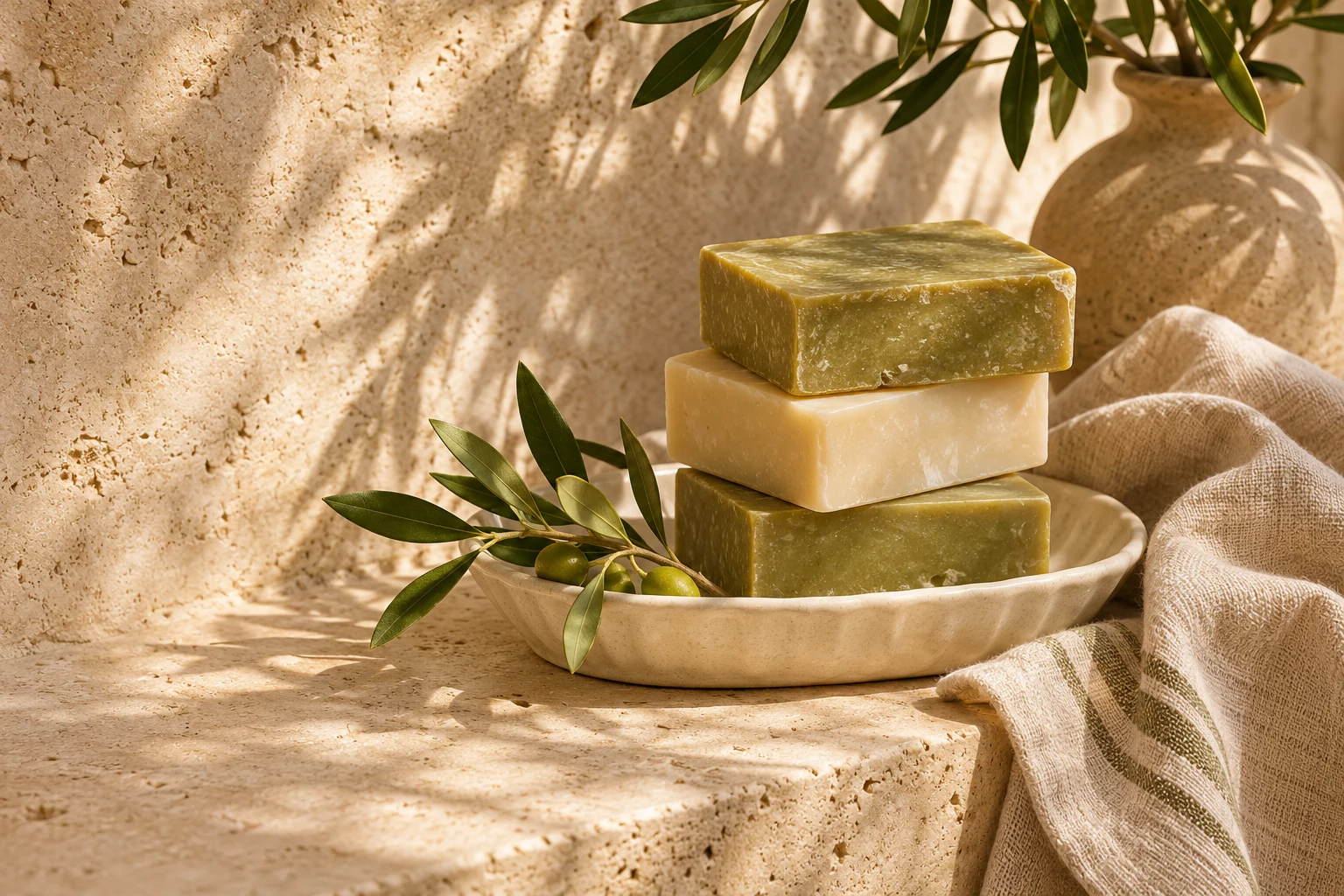
Many people start with the classics when choosing soap – and for good reason: they are uncomplicated, productive and have proven themselves over decades. Particularly solid soaps are appreciated because they are economical in consumption and can be stored easily. For very thorough cleaning, such as after gardening, workshop or stubborn residues, many resort to strong cleansing soaps that are less “cosmetics” and provide more performance. At the same time, the more intensive the cleaning effect, the more important it is to deal consciously – for example, not unnecessarily often, specifically and subsequently with suitable care. If you are looking for a universally applicable, very robust soap, kern soap can be a good base because it is traditionally considered to be a true multi-talent: hands, nails, pretreatment of textiles or spot on heavy dirt. For people who attach more importance to a soft skin feel when washing, soaps are interesting, which are perceived as particularly mild and nurturing – here, high-quality vegetable oils are often used. An option that is often mentioned is olive oil soap, which is especially useful if your skin is quickly irritated or you prefer a gentler cleanse. In the end, the decisive factor is not only the name, but the purpose: Do you want to clean deeper, dissolve stains and degrease vigorously, or should the soap be primarily a daily routine and remain pleasantly mild? Who separates this, usually has the right product at hand faster – and avoids the typical problem that the “wrong” soap dries out at the wrong moment or does not work thoroughly enough.
Gentle care in everyday life: fragrance, refatting and skin feeling
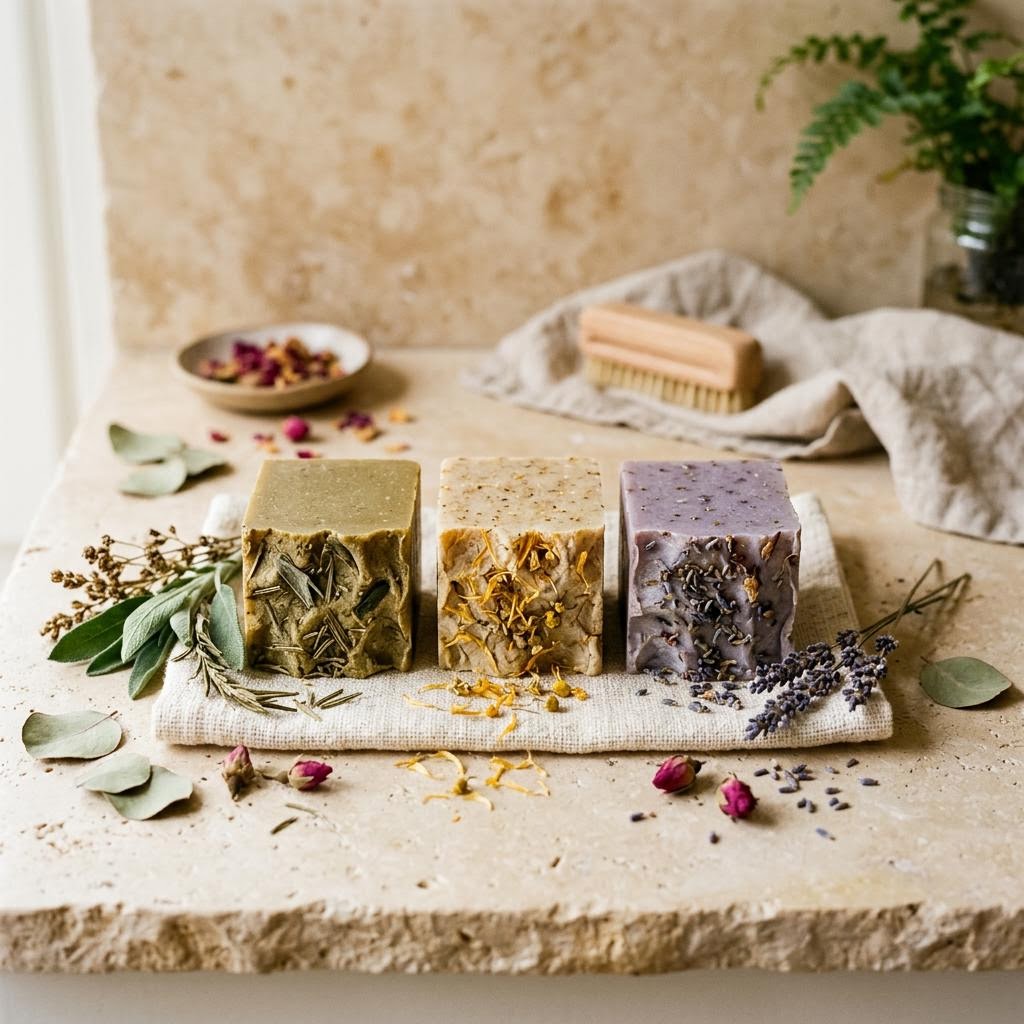
In everyday life, the feeling of the skin often decides whether a soap is used permanently: Does it foam pleasantly, lets it rinse well, and does the skin feel clean afterwards, but not “leached out”? Especially with sensitive skin or frequent hand washing, mild recipes are in demand. Here, ingredients play a bigger role than marketing terms: the fewer unnecessary additives, the easier it is to avoid intolerances – especially if you tend to redness or tension. If you are looking for a simple, as unadulterated care as possible, natural soap is an obvious category because it often relies on reduced recipes and classic production methods. For those who like a particularly smooth, “supple” feeling after washing, glycerol soap is also interesting: it is often popular because it is easy to process, is pleasant in the hand and due to its typical appearance and consistency is also used as a base for soap pouring. With fragrance soaps, it is worth taking a close look: A fragrance can have a relaxing effect, be motivating or simply smell “clean” – but the crucial thing is that the fragrance note is not too strong and fits your own skin. Some people tolerate intense perfume poorly and cope better with subtle variants. Others love aromatic soaps precisely because of the ritual: invigorating in the morning, soothing in the evening. If you do this, soap quickly becomes more than hygiene – a small nursing moment that repeats itself every day. A good tip is therefore to build the selection pragmatically: a mild soap for hands and bodies, a more neutral alternative for sensitive days and optionally a fragrant variant for the personal well-being program.
Use special soaps specifically: problem areas, hair & beard
As soon as it becomes more special – for example, for problem skin, for hair washing or for a pleasant shave – it is worthwhile to use soaps that are known exactly for this purpose. Here, less “one size fits all” counts, but the right tool for the task. For people who want a traditional, no-frills soap, Aleppo is often called soap because it is considered a purist option in many routines and is often described as pleasurable for skin and hair. If, on the other hand, prefers a creamy, mild wash feel, often looks towards sheep's milk soap , which is especially popular when the skin quickly seems dry or a gentle cleansing is in the foreground. Once again, separate rules apply for shaving: here not only cleaning is important, but a stable, soft foam that prepares the hair and allows the blade to slide more easily. This is exactly what razor soap is for – ideal if you like wet shaving and are looking for a classic, controlled shaving experience. The procedure is also often crucial for hair: some cope excellently with soap, if they rinse carefully and give themselves time to find the right variety; others still prefer shampoo. If you want to use soap for special needs, a simple principle helps: Start with one variety, watch skin and hair over a few applications and then adjust. This way you avoid frustration purchases and quickly find out whether you are more likely to respond to mild care, vigorous cleaning or a middle ground.
Solid vs. liquid soap: hygiene, comfort and sustainability
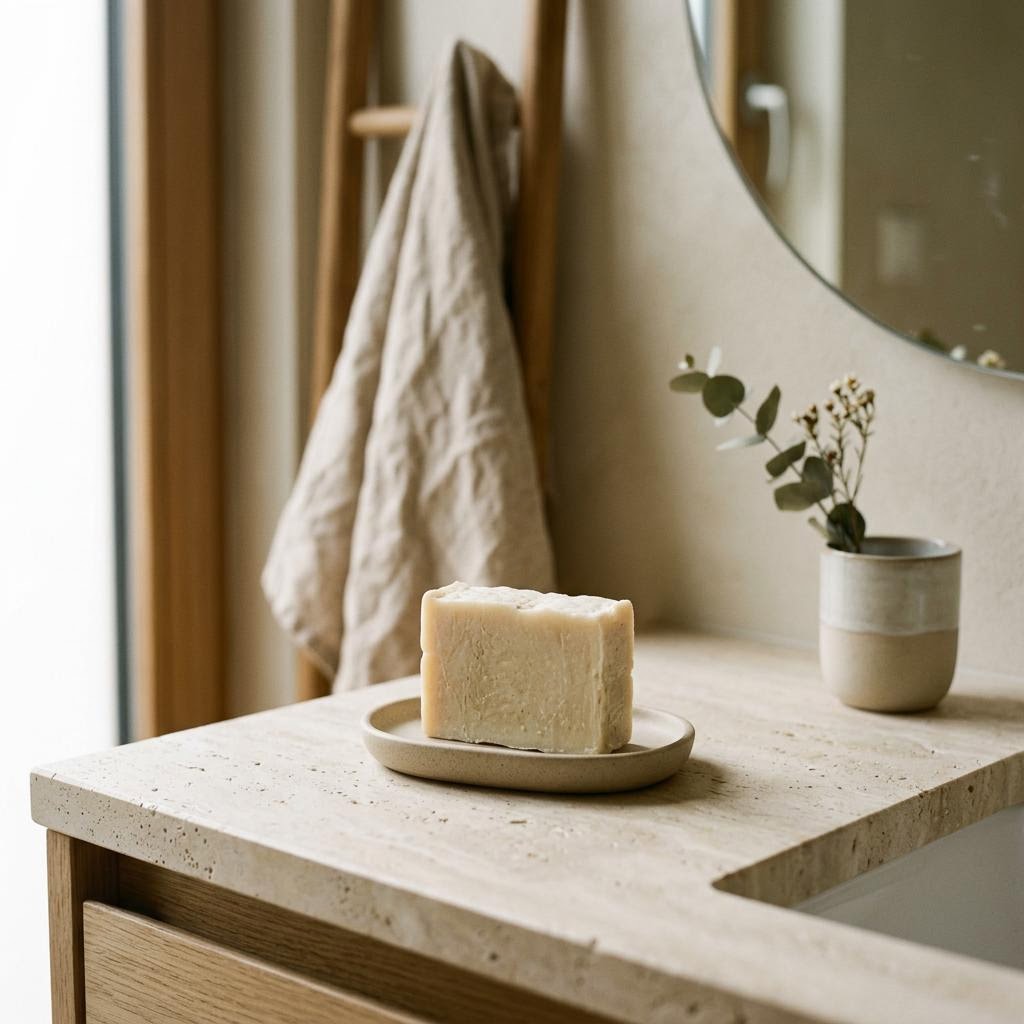
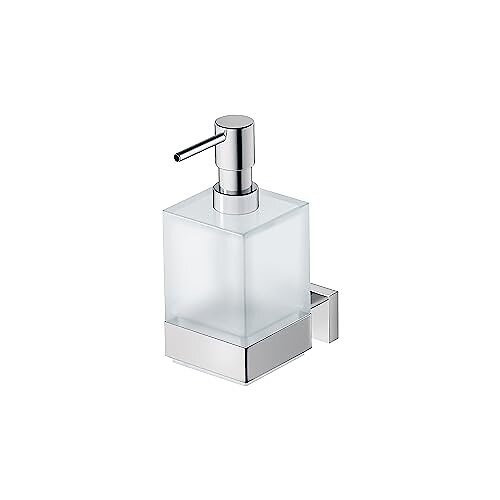
The choice between solid and liquid soap is often less a matter of faith than a matter of habit and environment. Solid pieces are compact, usually very productive and often manage with less packaging – for this they need a good storage so that they can dry between applications. Liquid soaps, on the other hand, are quickly dosed, often appear “immediately ready” and are practical in households with many people because they are used without direct contact with the piece. Those who like comfort, fast distribution and a typical “cream feel” often end up with liquid soap. At the same time, it is worthwhile to consciously look at your own priorities: If you want to waste as little as possible, a solid soap is an advantage – especially if you use it completely and do not leave it in the water. If you are looking for uncomplicated hygiene at the sink, liquid soap is often the most suitable solution for everyday use. Also important is the application: too much product is rarely necessary. With solid soaps, short moistening and thorough soaping are sufficient, with liquid soap often a small pump surge. Those who use the right amount and rinse well reduce residues and save product. Another point is the combination: Many households are best driven with a mix – e.g. B. Liquid soap in the kitchen (quick, practical), solid soap in the bathroom (productive, pleasant) and a special soap for shaving or special care. This way you get the best of both worlds without having to commit to one system. In the end, it counts that the soap is used regularly, fits the skin and makes your everyday life easier – because the best soap is the one you like to use.
FAQ
1) Which soap is best for sensitive skin?
For sensitive skin, mild, rather simple formulated soaps are usually preferred. Take care of a gentle cleaning without unnecessarily strong perfume and test new varieties step by step to check for compatibility.
2) What do I typically use curd soap for?
curd soap is frequently used for very thorough cleaning, e.g. in the case of heavily soiled hands or for the pretreatment of textiles. Because it can clean very intensively, some people find additional care pleasant afterwards.
3) Can I wash my hair with soap?
Many people use soap for hair washing. Crucial are a suitable strain, thorough rinsing and some patience until you find the routine that works well for your scalp and hair texture.
4) What is the advantage of shaving soap over regular soap?
Shaving soap is designed to form a stable, creamy foam that will prepare the hair and make the blade slide more easily. This can make shaving more pleasant and reduce skin irritation.
5) Which is better: solid or liquid soap?
This depends on your everyday life: solid soaps are often very productive and need a drying shelf, liquid soaps are quickly dosed and especially practical at the sink. Many use a combination depending on the location.
Automatically translated.